
 PRESSURE WASHING · CENTRAL LANCASHIRE
Pressure washing
Professional pressure washing across Leyland, Chorley, Preston and South Ribble — driveways, patios, paths, steps and walls. Pressure is one tool we use, not the product itself.
Owner-operated · Written quotation before any work starts · Paid only once you're happy
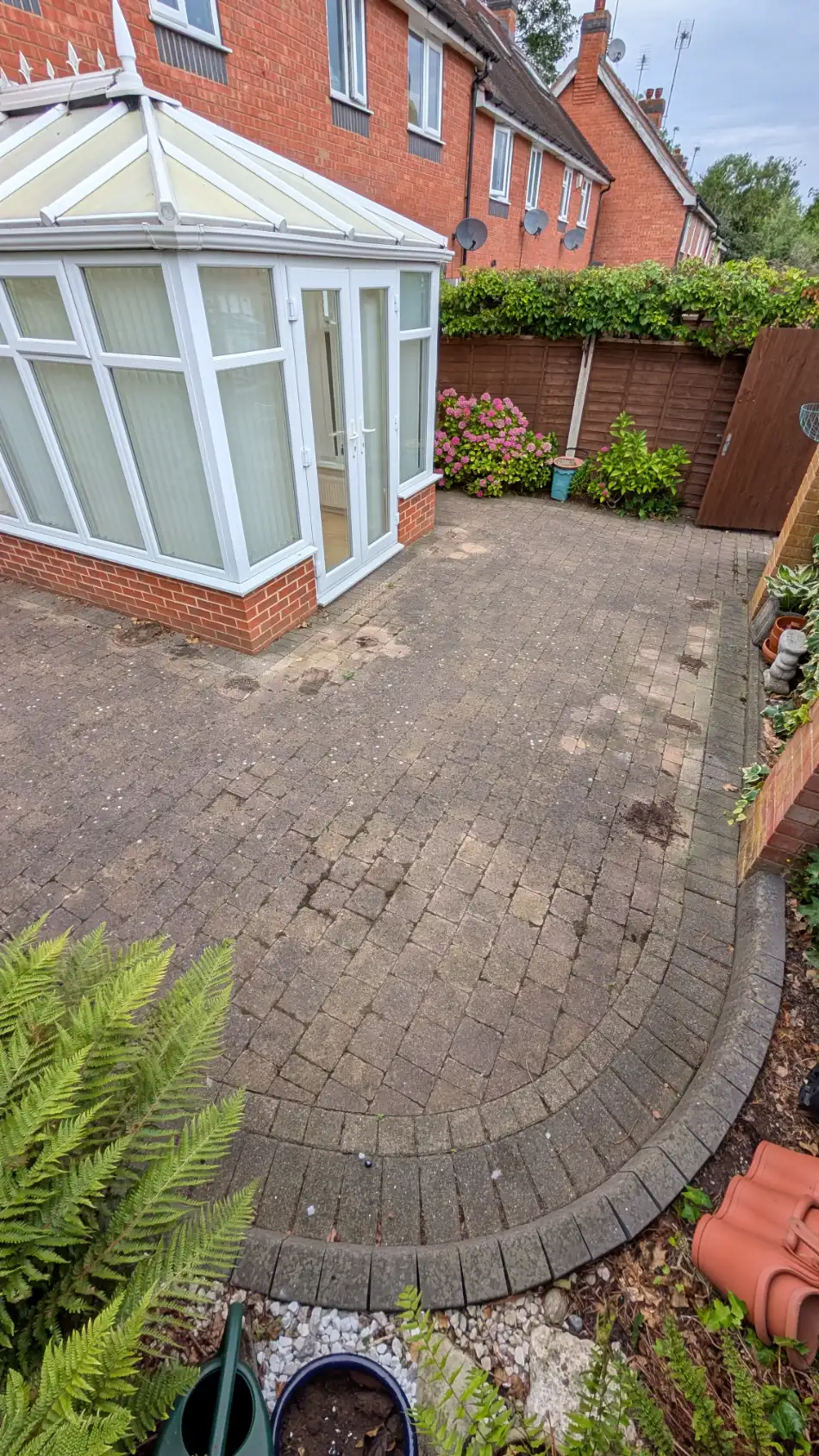
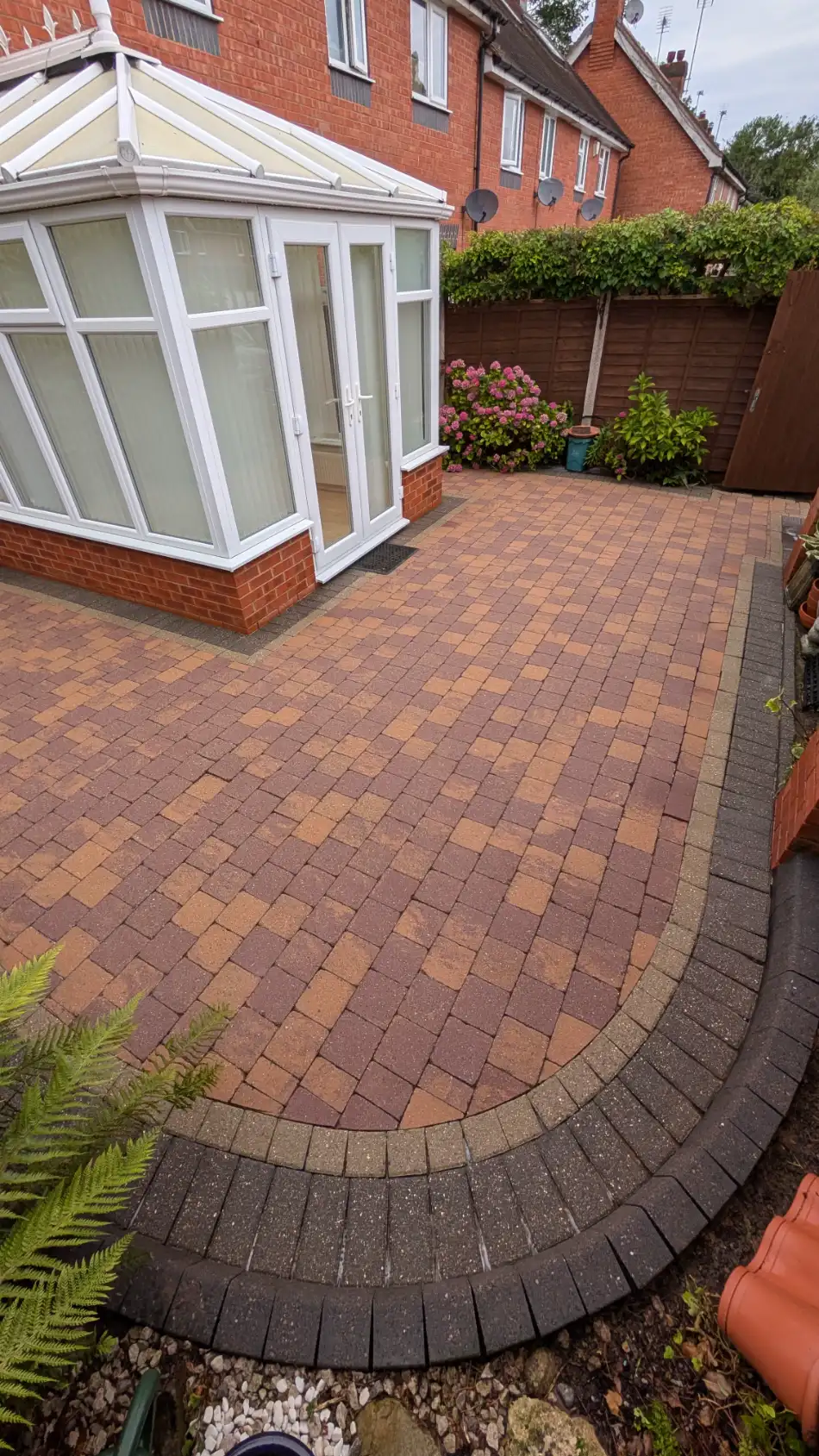
Before and after
A recent pressure washing project — a block-paved patio and path cleaned around a conservatory.
What the service includes
One process, applied consistently — the method changes with the surface, not the standard.
- Initial conversation, then assessment — we talk the job through first and survey the surface where a visit is needed.
- A clear written quotation — scope, inclusions, exclusions and the expected finish.
- Property protection — planting, drains, doors and vents covered before any water is used.
- Method matched to the surface — controlled pressure where the material takes it, gentler where it doesn't.
- Growth and silt removal — moss, algae and arisings cleared as part of the clean.
- Optional re-sanding — kiln-dried sand into block paving joints where appropriate, once dry.
Pressure is a tool, not the product
Full pressure isn't always the right answer — older stone, lime pointing and some timber can be damaged by an aggressive lance. We assess the surface and set the method to match it.
Send an enquiry →Where we've been pressure washing
See a genuine project for a specific area:
Surface & condition considerations
Pressure washing removes general dirt, moss, algae and surface grime very well — it doesn't undo years of damage, and some surfaces shouldn't be pressure-cleaned at all.
| Surface type | Driveways, patios, paths, steps and walls all respond differently. We identify the material before choosing a method. |
|---|---|
| Surface age | Older, more porous surfaces hold dirt deeper and re-soil faster. Cleaning shows the true condition underneath. |
| Previous staining | Oil, rust, paint and rubber are absorbed into the material and usually lighten rather than lift. |
| Moss and algae level | Usually the biggest single improvement, and the most reliable part of the result. |
| Drainage | Standing water keeps a surface damp and speeds up regrowth. Cleaning does not change the falls. |
| Loose pointing or joints | Failed mortar or empty joints limit the pressure we can safely use. |
How it works
A short enquiry, then a conversation with Kieran about the work. Where a site visit is the right next step, we look at access, drainage and condition in person before anything is priced — then you get a clear written quotation, and only pay once the work is finished and you're happy with it.
See the full step-by-step process →Pressure washing — your questions
What can you pressure wash?
Driveways, patios, paths, steps, garden walls and timber decking. Decking is cleaned at low pressure and with the grain rather than blasted.
Is pressure washing safe on old stone and steps?
Not at full pressure, no. Older stone flags, steps and lime-pointed walls can be pitted or stripped by an aggressive lance. Those surfaces get a low-pressure wash instead.
What do you need from me on the day?
Access to an outside tap, the area clear of vehicles and furniture where possible, and somewhere sensible to park. Our equipment is petrol-powered so we don't need your electricity.
What happens to the dirty water?
We control it. Run-off is directed to a suitable drain rather than across a lawn or into a border, and silt and arisings are cleared rather than flushed into a gully.
How long will it stay clean?
It depends on aspect and drainage more than on the clean itself. An open, sunny, well-draining area can look good for a couple of years; a shaded, damp spot will green up again within a season.
Specific pressure washing projects
All service areas →
Send an enquiry to Restorra

Tell us which service you are interested in and how you would like to be contacted. Kieran will discuss the work, arrange a site survey where it is needed, and put a clear written quotation in front of you before anything starts.